

Canadian startup completes initial installation of breakthrough housing technology in the Arctic
Kuujjuaq, Quebec
Published by
Tinybox
on
Feb 5, 2026
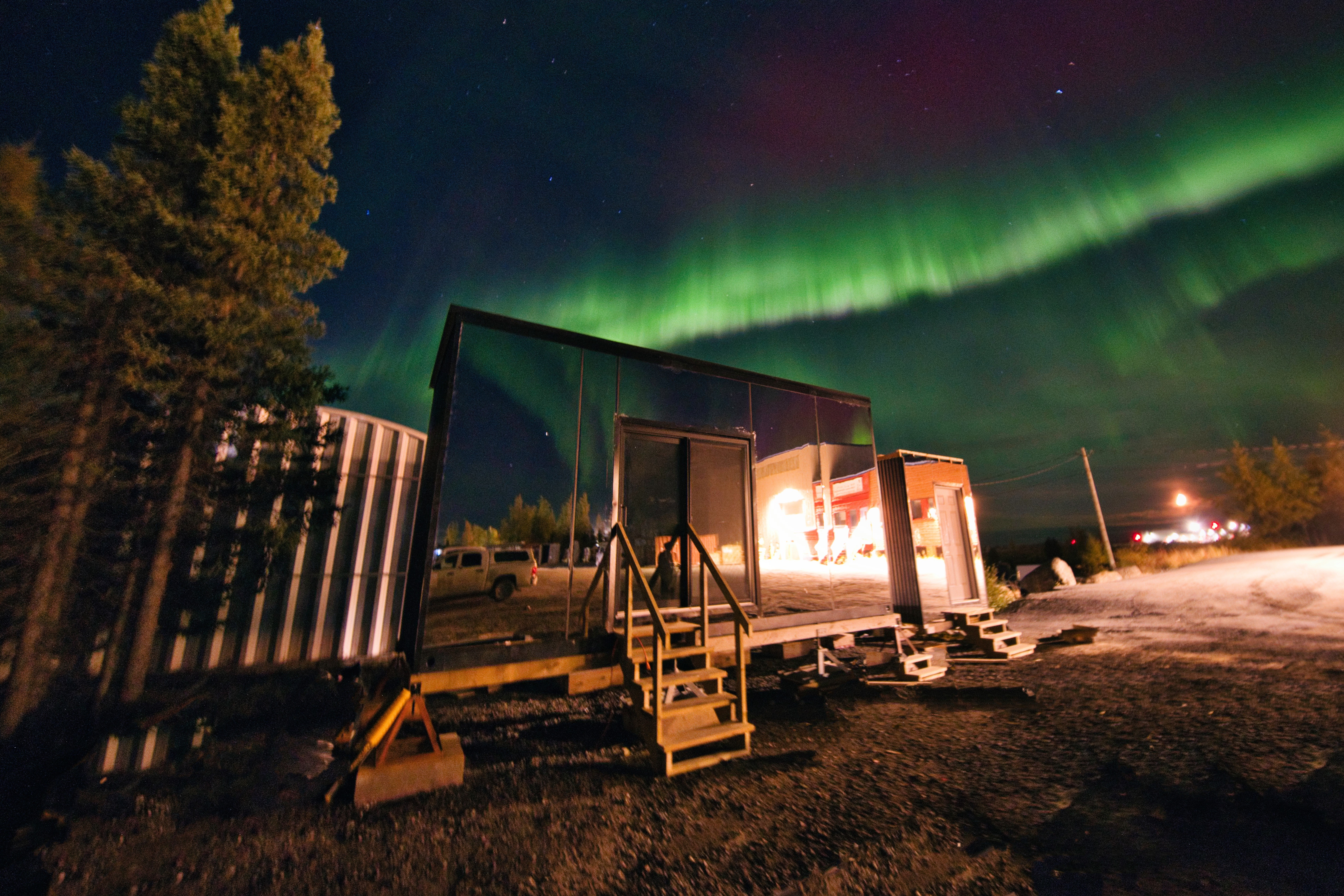
A pilot project in Kuujjuaq, Quebec showcases a locally assembled, space-grade home building system that lowers cost and accelerates construction in remote northern communities.
Tinybox Systems, a Canadian housing technology startup, today announced the completion of Phase 1 of a first-of-its-kind tiny home installation pilot in Kuujjuaq, Quebec.
Commissioned by the Kativik Regional Government (KRG), which oversees infrastructure development for the region’s 14 Inuit communities, the pilot intends to demonstrate that Tinybox’s modular building system can significantly reduce both the financial and logistical barriers to building in the Arctic.
Building in Canada’s North, a single home can cost up to $1 million due to the need to fly in skilled labour and work within short construction windows. By contrast, the pilot tiny home enclosure was assembled in Kuujjuaq, by a local two-person crew under Tinybox supervision in just 10 days for approximately $90,000 CAD –paving the way for community-led, cost-efficient housing solutions. KRG is now working on the second phase of the project as part of validating the feasibility and adaptability of the tiny home pilot to Arctic conditions.
Tinybox Systems has been developing its building system for more than three years and the Kuujjuaq pilot marks their first assembly in the Canadian Arctic.
In addition to this, the pilot project marks the first time the Tinybox system has been assembled by an external construction crew, confirming that the company’s approach is trainable, scalable and viable for remote communities across the North.
To meet the challenges of building in the Arctic, Tinybox Systems designed a tiny home enclosure system that incorporates vacuum insulation technology, the same insulation approach used in aerospace applications, to achieve an insulation value of R60, more than double the standard for conventional residential buildings.
The structural frame was engineered to withstand heavy snow loads. Sensors were also installed throughout the walls, roof and floor to monitor real-time performance throughout Kuujjuaq’s winter, where temperatures can fall as low as –50°C.
Addressing indoor air quality and mould resistance, persistent issues in traditionally built northern housing, was a core design priority. The kit was designed with proper sealing and insulation to reduce moisture and prevent black mould in the region’s homes.
With time, Tinybox aims to have utilities fully integrated into their kit-based solution, incorporating electrical, plumbing and heating as plug-and-play components.
Kuujjuaq, a community of 2,700 residents is experiencing unique housing challenges, where significant growth and demand for housing is outpacing the available supply. This means that employers must build housing for new workers or pay up to $300 per night for hotel accommodation. Local hospitals, schools, telecom and construction firms face similar constraints.
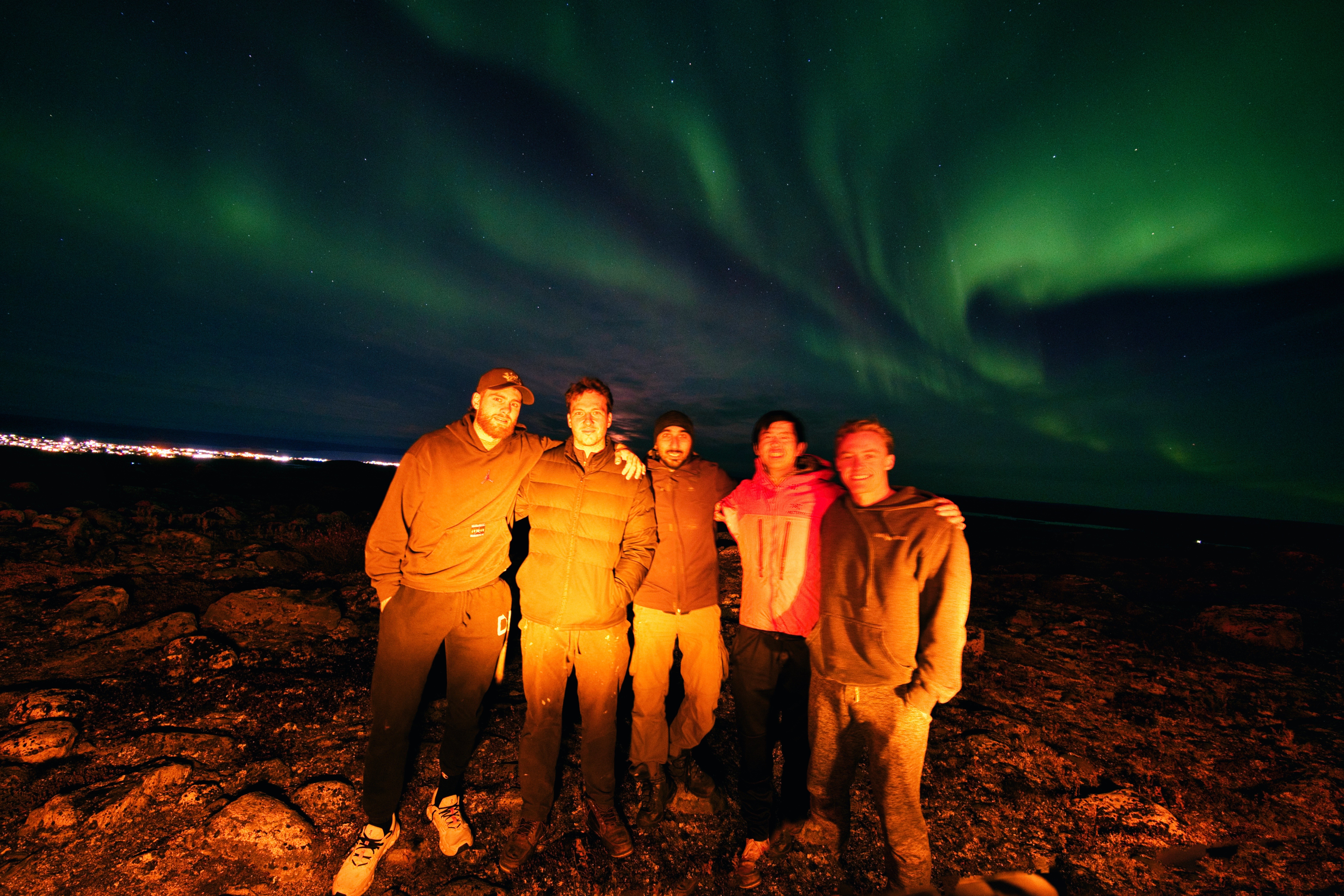
Team Tinybox & Steven, Kuujjuaq Resident & Local Builder
“Our goal from the beginning has been to make high-quality construction possible anywhere in Canada, regardless of climate, labour shortages, or geography,” says Oliver Zhang, CEO of Tinybox Systems. “Seeing a local arctic crew assemble one of our units in a matter of days without any prior experience with our system has been incredibly rewarding. It validates the core engineering principle behind Tinybox: simplify construction so communities can build faster, more affordably, and with local talent. Many arctic communities share the same constraints, which include short building seasons, extremely high costs and limited labour pools. This pilot gives us confidence that any motivated community can take control of their housing supply and build neighbourhood-scale developments using our building system.”
KRG is actively seeking innovative approaches to address housing shortages that directly impact local employment and community growth and awards all construction projects through a competitive call for tender bidding process. With the local team now trained, Tinybox’s vision is to scale the approach to two- and three-bedroom homes suitable for family housing, with an eye toward community-scale builds.
“Remote and arctic Canada have always been overlooked when it comes to the housing crisis,” states Charlie Frise, co-founder of Tinybox Systems. “To build for Canadians living outside of city centres, one must face the unique challenges of limited infrastructure, rocky soil, and complicated shipping. A lot of our design philosophy is centred around how we solve these specific problems with low cost, repeatable and dependable solutions.”
As part of its ongoing mission to advance accessible, net-zero housing solutions across Canada, Tinybox plans to publish detailed findings from the pilot on their website.
About Tinybox Systems
Tinybox Systems is a Canadian housing technology startup developing net-zero, modular home kits that can be shipped anywhere and assembled without the need for specialized labour or heavy equipment. Designed for extreme climates and remote locations, Tinybox homes combine space-grade insulation, rapid assembly, and scalable design to make high-quality construction possible in any region of Canada. For more information, visit www.tinybox.ca.
Contact:
Team Tinybox